

Cold weather doesn't protect you from UV damage. At altitude, UV intensity increases by about 4-5% with every 1,000 feet of elevation, and snow reflects up to 80% of UV rays back onto your skin. That crisp mountain air? It's deceiving - you're getting significantly more sun exposure than a summer day at sea level, but the cold makes you less aware of it.
Winter sports create one of the most challenging sun protection scenarios: freezing temperatures, high winds, constant movement, and gear that makes reapplication difficult. Most sunscreens aren't designed for these conditions - they freeze, crack, or get wiped off by goggles and face masks.
After years of formulating sun protection for real-world use, I've learned that winter conditions require specific formats. Standard cream sunscreens don't hold up. You need products that stay put in wind, don't freeze or change consistency in cold, and can be applied over layers of gear throughout the day.
Here's what actually works on the mountain.
Why Winter Sports Create Extreme UV Exposure
The science behind high-altitude sun exposure is stark. According to Boulder Community Health, UV radiation levels increase about 4 to 5 percent with every 1,000 feet you climb in elevation. If you're skiing at a typical resort elevation of 8,000 to 10,000 feet, you're experiencing significantly more intense UV exposure than at sea level.
Snow compounds this problem dramatically. Skin Cancer Foundation also notes that snow reflects up to 80 percent of the sun's UV light, meaning you're getting hit twice - once from the sun directly and again from the reflective surface beneath you. This double exposure targets areas you might not think about, like under your chin, your nostrils, and your ears beneath your helmet.
The cold weather creates dangerous complacency. When you don't feel hot, your brain doesn't register sun danger the same way it does on a beach. You spend six to eight hours on the slopes without thinking about reapplication because you're focused on staying warm, not sun protection. Meanwhile, your face is completely exposed.
The Problem with Traditional Liquid Sunscreen on the Slopes
Liquid and cream sunscreens present serious practical challenges in winter environments. The cold affects product consistency, making application more difficult when your hands are already cold. Opening tubes with gloved or numb fingers creates frustration, and the mess factor multiplies when you're trying to reapply at lunch or between runs.
The greasy texture that many liquid sunscreens leave becomes a safety issue with technical gear. That slippery feeling transfers to goggle lenses, creating visibility problems. It migrates to helmet pads and face masks, and it can stain expensive technical fabrics.
Reapplication presents the biggest barrier. Dermatologists recommend reapplying sunscreen every two hours, but the reality of removing gloves, digging through pockets, opening a tube, applying messy cream, and then trying to restore your gear setup makes most people skip it entirely. That's why format matters in winter sports.

.
Your Winter Sports Protection System
The right protection strategy means having the right format for each situation throughout your mountain day. Mix and match based on your needs - all products provide complete broad-spectrum protection standalone. Here's how specialized products solve specific winter challenges.
Quick Stick SPF 40: Balm Format for Cold Weather
Quick Stick SPF 40 was designed specifically for winter conditions. The balm texture stays put in wind and cold air - perfect when you're on an exposed chairlift or skiing down a windy ridge. The formula uses non-nano zinc oxide for broad-spectrum SPF 40 protection that doesn’t freeze, crack, or change consistency when temperatures drop.
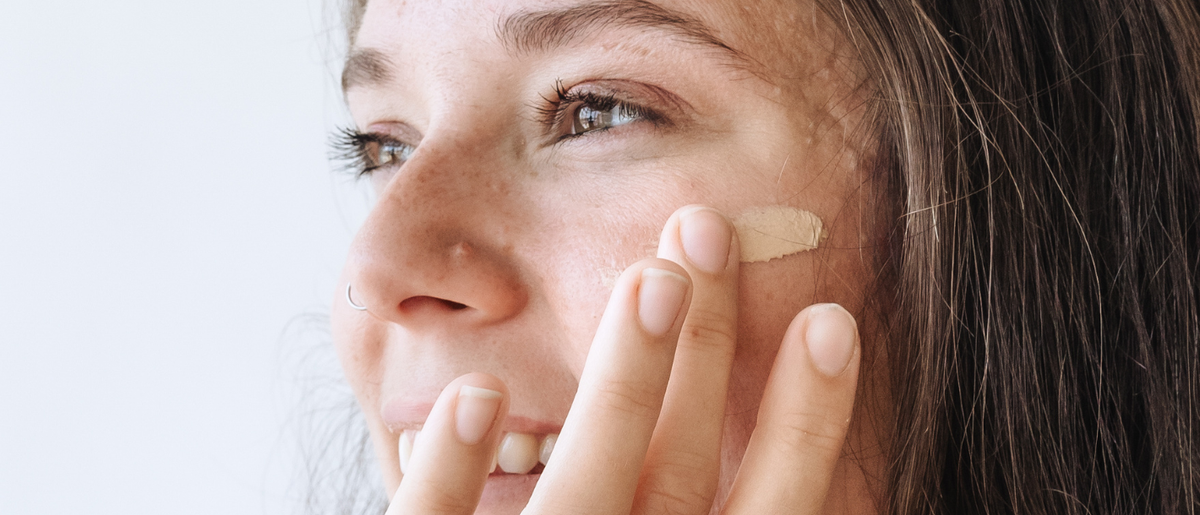
The stick format handles real mountain conditions well. You can apply it with cold hands or even thin glove liners without any mess. Between runs, when you need quick touch-ups on your nose, cheekbones, or ears, Quick Stick gives you fast reapplication - swipe and you're done. The stick fits perfectly in your jacket pocket for constant access. No tubes to fight with, no worrying about leaks or spills, and no greasy residue transferring to your goggles or helmet.

.
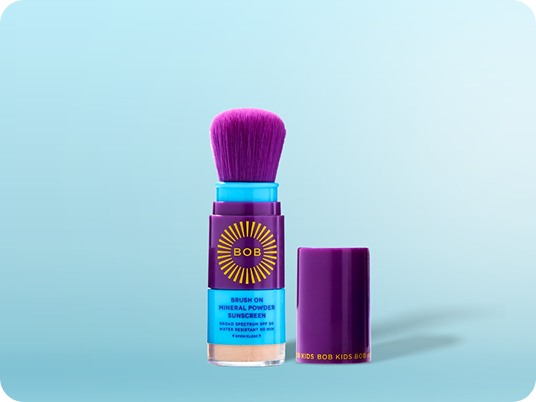
BOB KIDS Mineral Sun Balm SPF 40: For Family Skiing
If you're skiing with kids, the reapplication challenge multiplies. Children's sensitive skin needs frequent protection but getting kids to cooperate with sunscreen application in cold conditions tests everyone's patience. That's exactly why I developed BOB KIDS Mineral Sun Balm SPF 40.
The gentle mineral formula works on sensitive winter skin without irritation, and the easy-apply texture makes touch-ups fast and fuss-free. Kids tolerate it well because the application doesn't sting cold skin, and older children can even help apply their own protection as they build lifelong sun safety habits. The balm format stays put during sledding, snow fort building, and all the tumbling that comes with kids on snow.

.
Touch of Tan SPF 30: Mineral Powder with Subtle Tint
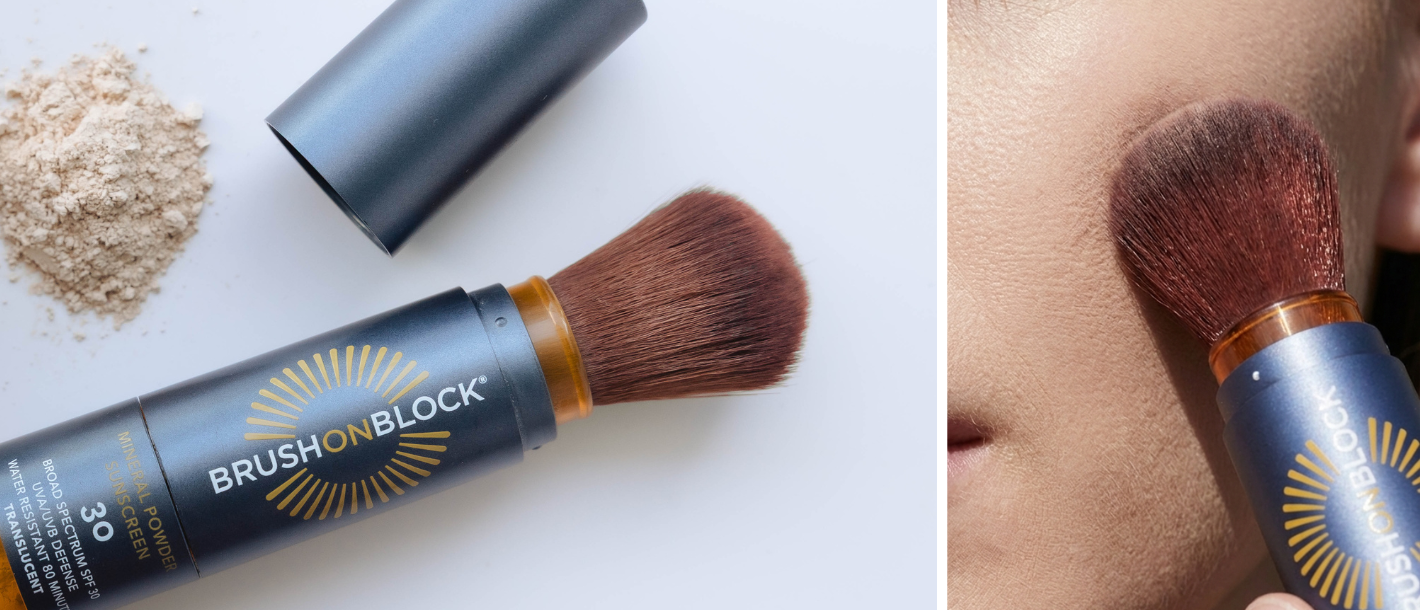
Winter can leave skin looking washed out, and Brush On Block Touch of Tan adds a subtle hint of color while delivering full SPF 30 protection. You're not choosing between warmth and protection - you get both.
The subtle tint gives you soft, natural warmth that enhances your skin tone while mineral actives provide broad-spectrum protection. It's particularly useful for summit photos or après-ski when you want color without heavy makeup. The powder format applies cleanly over whatever base protection you've started with - no flashback in photos, no white cast. Just protection with a healthy glow.

Complete Your Routine: Supporting Products
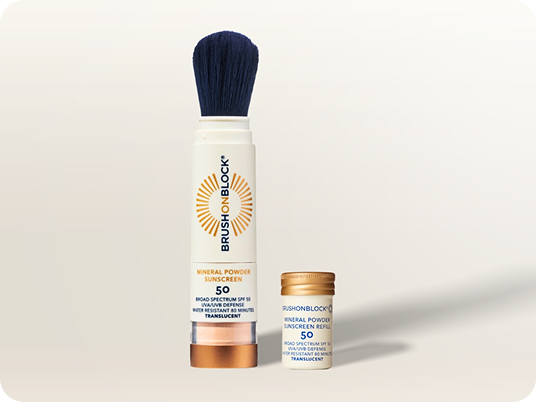
Start your morning with a full application of Brush On Block Mineral Powder Sunscreen, SPF 30 or SPF 50, which also works beautifully for full-face reapplication throughout the day. And never forget Sun Shine SPF 30 Protective Lip Oil for your lips, which have zero natural melanin protection and need constant attention at altitude. Whether you use one product or combine favorites, you're fully protected.
Your Complete Mountain Day Routine
Here's how these specialized formats work together throughout your ski day:
Before You Hit the Slopes: Start with a full application of Brush On Block SPF 50 Mineral Powder Sunscreen before your goggles and helmet go on, especially on high-exposure days.
On the Mountain - Primary Protection: Keep Quick Stick in your jacket pocket. Every two hours, or whenever you feel wind-burned areas starting to sting, swipe it across your nose, cheekbones, and ears. It takes ten seconds. For families, establish a chairlift routine where kids get a quick Sun Balm touch-up every few runs.
When Aesthetics Matter: If you're using Touch of Tan, apply it as part of your mid-morning touch-up. The powder format layers beautifully over your morning protection.
Don't Skip Your Lips: Sun Shine Lip Oil should become a chairlift habit. Every ride up, another application. Your lips are extremely vulnerable at altitude.
Practical Schedule: First run (9am) initial application, mid-morning (11am) quick touch-up, lunch break (1pm) full reapplication, afternoon (3pm) final maintenance before last runs.
High-Altitude Application Strategies
Quick Stick Mastery: Even with cold hands or thin glove liners, you can swipe Quick Stick across high-exposure areas. Focus on your nose (both the bridge and tip), the tops of your cheekbones where the bone creates the most prominent surface, and the tops of your ears. These areas take direct sun plus reflected UV from the snow below.
Sun Balm Application: With children, speed and comfort are everything. Warm the balm tin slightly by holding it for a few seconds, then apply with gentle pressure. Make it a game or part of the chairlift routine so kids expect and cooperate with reapplication.
Touch of Tan Technique: For the most natural finish, apply Touch of Tan in light layers rather than heavy coverage. The built-in brush makes this easy.
Common Winter Sports Sunscreen Mistakes
The biggest mistake? Assuming cold weather means reduced UV danger. Temperature and UV intensity have no relationship. Some of the worst sunburns happen on crisp, clear mountain days when you're so comfortable you forget about sun protection entirely.
Skipping reapplication because it's inconvenient is exactly what Quick Stick solves. If traditional sunscreens make reapplication too much hassle, that's a format problem, not a you problem.
Forgetting kids' protection happens when parents focus on their own skiing. Sun Balm in your pocket means you're always ready for family touch-ups.
Using the wrong format for conditions means fighting with frozen tubes or messy creams when a stick or balm would solve everything.
Post-Mountain Skin Recovery: The Part Everyone Skips
Your sun protection routine doesn't end when you leave the slopes. After hours of altitude sun exposure and harsh mountain wind, your skin needs recovery support.
Restore Barrier Recovery Oil provides intensive hydration and repair for wind-chapped, sun-stressed skin. Apply it in the evening after cleansing to restore moisture and support your skin's natural healing process. Think of it as the après-ski your skin deserves after a hard day on the mountain.

For multi-day ski trips, this evening recovery step prevents the cumulative damage that can ruin the second half of your vacation. Wind chapping compounds, sun stress accumulates, and without proper recovery support, your skin pays the price. The intensive hydration works overnight when your skin does its natural repair work. You'll wake up with skin that feels comfortable and protected, ready for another day of mountain exposure.
Sunscreen Your Way on the Slopes
Winter sports create unique sun protection challenges that single-format sunscreens weren't designed to handle. Quick Stick for cold weather precision, Sun Balm for family skiing, Touch of Tan for confident radiance, and Face Oil for evening recovery. Four specialized solutions for the specific challenges you actually face on the mountain.
Your ski days should end with tired legs and great memories, not painful burns and sun damage. Protection that adapts to your needs, that works with your gear instead of against it, that fits every situation from solo runs to family snow days - that's what transforms sunscreen from a chore into a natural part of your mountain routine.
The mountains will be there all season. Make sure your skin is protected every time you're on them.