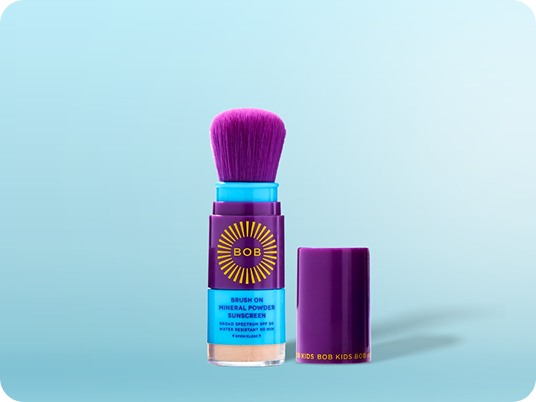
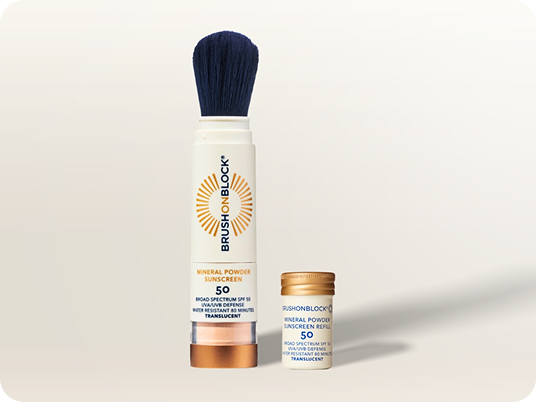


I responsibly added sunscreen to my baby registry for my oldest. It was one of the many facades of preparedness on that carefully curated list I’d pored over for weeks, informed by the moms who came before me and TikTok.
Then, at a get together with my husband’s friends, one of the wives noticed it on my list as I shared it casually in conversation. “You know babies can’t wear sunscreen until six months, right?” She wasn’t exactly unkind, but it was delivered with enough seasoned mom confidence to make me shrink. I smiled and said, “Oh, that’s interesting, do you know why?” while quietly absorbing the sting of feeling like I’d already gotten something wrong before my baby was even here.
Despite this new awareness, I kept the sunscreen on my registry and filed it under things I’ll figure out when I need to, which I quickly learned is how most parenting decisions go. Why learn today what I can learn in the middle of the night when I’m awake with fear?
By the way, the actual reason the FDA recommends not applying sunscreen to infants under 6 months isn’t because sunscreen is unsafe. It’s because newborn skin absorbs more of everything, and at that age, shade and timing are better tools than any product anyway.

My Zinc Oxide Years
Growing up, I was the kid who cried at the beach. Sunscreen running into my eyes was a genuine recurring event in my childhood, and it burned so badly I would sob. I also had the distinction of getting sunburned under my eyes practically every time I went outside, which only got worse when I started playing tennis.
By then, my dad had seen and heard enough. He made me wear zinc oxide under my eyes and across my forehead before every match. No negotiations. Even for the matches he wasn’t there, I had to dutifully put it on because sunburn is obvious. And he was right. The zinc didn’t run, didn’t sting, and didn’t end in tears on the court. But I was absolutely mortified. I wish I could tell you there is photographic evidence, but I made sure there is not.
What I didn’t understand then, and do now, is that my dad had actually solved the problem. The zinc oxide sat on top of my skin, deflected the sun, and went nowhere near my eyes. He may or may not have known the science behind it, but like any seasoned parent, he figured out what would work and stuck to it.

Because it stays on skin, mineral sunscreen doesn’t run into eyes or cause stinging
Why Mineral Got a Bad Reputation
Here’s my lens now: like much else, the sunscreen industry optimized for ease of adoption, and chemical sunscreens won that race. They go on clear. They blend easily. They don’t leave a white cast or require much extra work. For a product category that already faced an uphill battle getting people to use it consistently, that was a significant advantage.
Mineral sunscreens, the ones that use zinc oxide or titanium dioxide as their active ingredients, work differently. They sit on top of the skin and physically deflect UV rays rather than absorbing them. The tradeoff used to be texture: thicker, whiter, harder to blend.
But formulations have come a long way. What my dad understood, even if he couldn’t have articulated why, was this: mineral sunscreen doesn’t run into your eyes and sting. And if you have ever applied sunscreen to a child, you already know why that matters.
What I Learned Once I Started Paying Attention
I’ve been lucky. I work for a mineral sunscreen company, which means I came by this education in a slightly unusual way compared to most. But what I’ve learned isn’t proprietary. It’s just the stuff nobody told me when I was 2 a.m. Googling “best sunscreen for kids.”
Mineral sunscreen doesn’t have to be miserable to use.
This was genuinely my first revelation. The white paste era is not the whole story. Modern mineral formulas, especially those designed for kids, are lightweight, blendable, wearable, and much easier to live with. The texture problem has largely been solved. What hasn’t been solved is the reputation problem, which lags behind reality by about a decade.
The protection mechanism is different, and it matters.
Chemical sunscreens absorb UV radiation and convert it to heat. Mineral sunscreens sit on top of the skin and physically deflect UV rays, and both can be effective. But for kids with sensitive skin, and many kids do have skin that reacts to chemical filters, mineral offers protection without that same potential for irritation.
Powder sunscreen is genuinely useful.
I had absolutely no idea this existed before I started working in this space. A mineral powder sunscreen that you brush on, over skin, over makeup, over whatever, and reapply without the whole production of lotion. For kids who resist the sunscreen application process, the format itself changes the conversation. It’s fast, and it’s different enough to be interesting.

Different formats make it easier to find one they’ll stick with, because sunscreen only works if they use it.
What Should You Look For?
If I could go back to overwhelmed me in the digital sunscreen aisle, here’s what I’d tell myself to prioritize:
- Look for zinc oxide as the active ingredient. It’s the gold standard in mineral sun protection and one of the most trusted options for sensitive skin and kids.
- Look for a formula your kid will tolerate. The best sunscreen is the one they’ll wear. If lotion triggers a meltdown every single time, try a different format. Spray, stick, and powder exist for a reason.
- Look for water resistance on the label. If it’s not there, it’s not there. Sunscreen brands are not required to include it, so its absence means the product is not meant to be relied on in water or sweat. When you do see it, 80 minutes is a strong benchmark.
- Look for broad spectrum on the label. That means UVA and UVB coverage, which helps protect against both sunburn and longer term sun damage.
- Don’t look for perfection. Look for something you’ll use consistently. That’s the whole game.

What it looks like on skin matters, especially for kids who notice everything.
We’re All Figuring It Out
I think about my dad in a different light since becoming a parent and realize how many things he was working through by trial and error. He likely didn’t know the science behind why mineral was better for sensitive skin, but he knew his daughter needed something different to stay protected and found something that worked, at only minimal social cost to me.
And that’s the truth for all of us. You don’t need to know everything about sunscreen to make a good choice for your kid. You just need to know enough to find the thing that fits your life and their needs, and then actually do it. Every day, even on overcast and cold days.
In this world wide web of choice, it can feel like the sunscreen category is overwhelming on purpose, but it doesn’t have to be. Start with mineral, find the format that works, and stop expecting yourself to have already known. None of us got the manual. We’re all writing our own.